THANK YOU
Made by Angelic, Brayden, Leila, Max & Victoria
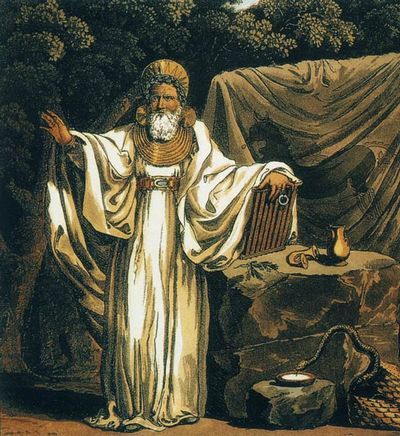
%20(2).jpg)
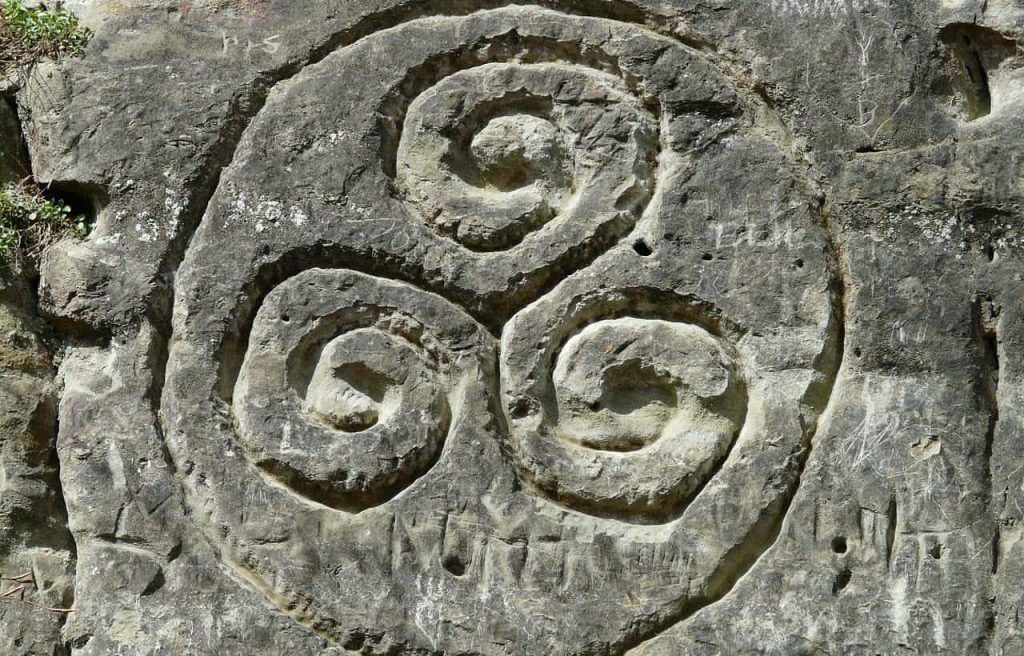
The Celtic religion, originating from the ancient Celtic peoples of Europe, offers a profound response to the human quest for ultimate meaning and purpose in life.
Dating back to around 800 BCE to 400 CE, Celtic religion flourished among the Celtic peoples who inhabited regions of Europe, including Ireland, Scotland, Wales, and parts of France. Their spiritual tradition was deeply intertwined with their daily lives, social structures, and natural environment, reflecting a rich and diverse cultural heritage.

Celts viewed the universe through an animistic lens. They perceived trees, rivers, mountains and celestial bodies like the sun and moon as alive with divine energy,
Celts believe that the universe was shaped by supernatural powers and deities, with each aspect of nature embodying spiritual significance.
Existence of parallel realm inhabited by gods, spirits, and ancestors.
"Tír na nÓg" or the Land of Youth, is depicted as a place beyond the physical world, accessible through mystical means such as portals or sacred sites.
Viewed the cosmos as a sacred and interconnected web of existence. Sacred sites such as Stonehenge in England or the Hill of Tara in Ireland are believed to be aligned with celestial events and have been used for ritual purposes for millennia.

Taranis is worshipped through human sacrifices.
He is also known as 'wheel god', symbolising his swift creation of storms.
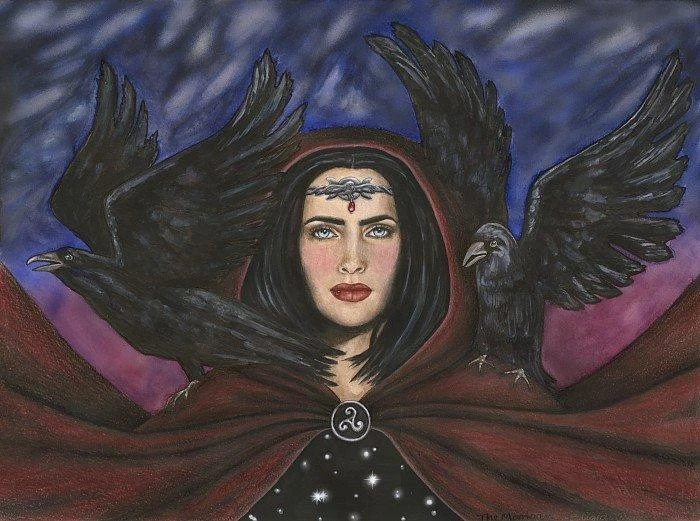
Morrigan embodies the multifaceted nature of divine femininity.
She appears as crow or raven on battleground, and is associated with the inevitable struggle and importance of courage, believed to shape destinies.
Natural Sacred Sites:
⮕ Shrines in wooded areas used for ceremonies.
⮕ Springs believed to be gateways to the Otherworld, and were used for worship and healing.
⮕ Lakes regarded as places of contact with the Otherworld, some rivers named after deities.
⮕ Certain mountains connected to the heavens and divinity.
Artificial Sacred Sites:
⮕ Wooden temples constructed for rituals and sacrifices.
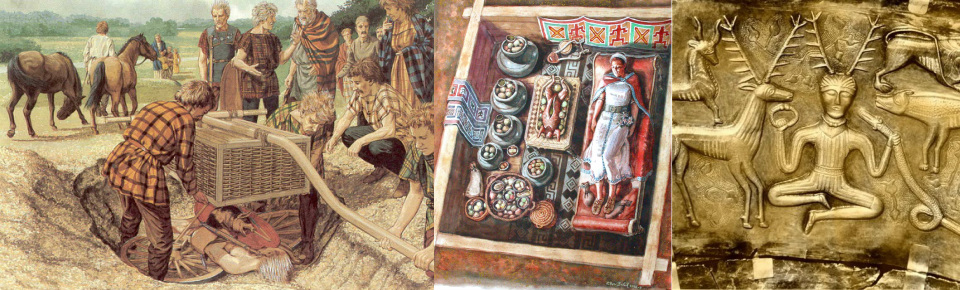
⮕ Burial mounds considered gateways to the Otherworld, enclosed and adorned with offerings, like weapons.
Role of Sacred Sites:
⮕ Celts sought balance in nature, viewing sacred sites as conduits for cosmic equilibrium.
⮕ Belief in the Otherworld provided purpose, guiding life to ensure safe passage in death.
Celts practiced the Urnfield Culture, involving cremation and placing ashes in urns.
They later adapted inhumation burial rites.
These practices varied based on social status, with nobles buried in tombs with prized possessions.
Death rituals were significant for individuals and communities by offering closure and a sense of continuity beyond death.
Beltain marked the end of winter and the arrival of spring, symbolizing freedom from cold oppression and the ability to grow crops.
It expressed a response by symbolizing renewal, hope, and the cyclical nature of life, ultimately fostering collective celebration of seasonal cycles, reaffirming the interconnectedness of all life.
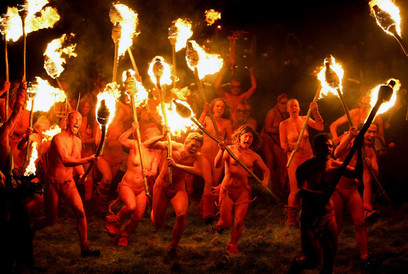
Imbolc celebrated the first signs of spring, honoring the goddess Brigid and the awakening of the earth.
It expressed a response by honoring the awakening of the earth and embracing new beginnings, marking transitions and inspiring personal growth.
It strengthen a community’s ties to nature and cultural heritage, fostering a sense of shared identity and purpose.
.png)
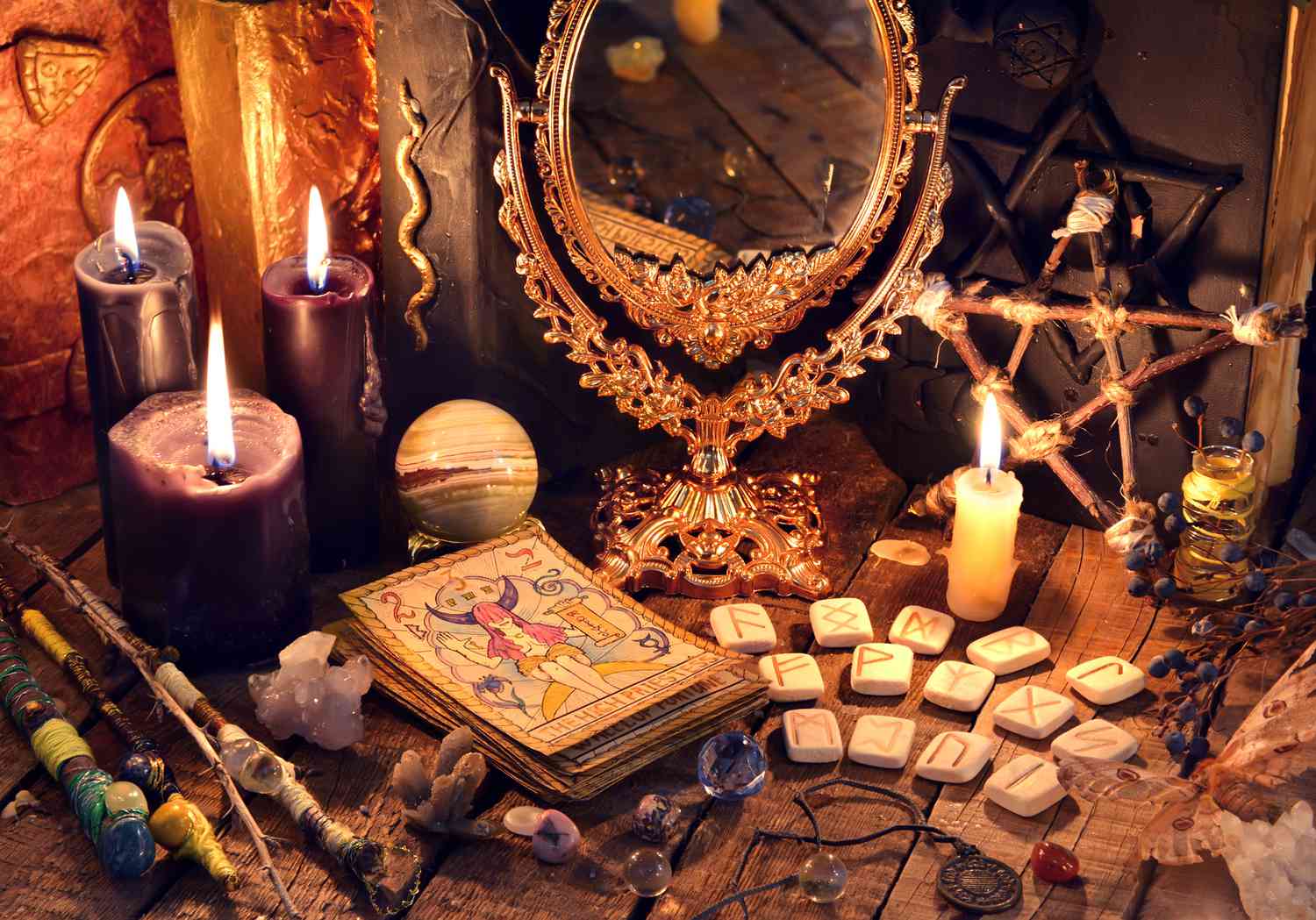
Divination: The Celts practiced divination rituals, seeking guidance from the spirits and gods through various methods such as reading omens or interpreting dreams.
It expressed human response by tapping into divine energy and seeking spiritual guidance.
Was significant for individuals by empowering them to navigate life's challenges and find meaning in the mystical.
Also upheld traditional beliefs and practices, reinforcing cultural continuity and a shared sense of spiritual connection for the broader community
⮕ Celtic beliefs shape the structure and purpose of rituals.
eg: belief in the sacredness of nature influences the choice of ritual locations, often held outdoors in natural settings.
⮕ Rituals serve as a means of enacting and reinforcing beliefs.
Allows followers to reaffirm their connection to the divine and the natural world
⮕ Sacred spaces serve as the backdrop for rituals - provide meeting ground between divine and human worlds
Provides opportunities for communion with the divine, offering guidance, solace, and spiritual fulfillment
⮕ Sacred spaces serve as repositories of wisdom and cultural heritage, offering insights into the deeper mysteries of existence and one's place in the cosmic order.
⮕ The dynamic interaction between beliefs, rituals, and sacred spaces provides a multifaceted response to the human search for ultimate meaning and purpose in society

Influence on Contemporary Society
⮕ Influencing contemporary literature, art, and music with their themes of nature, mythology, and mysticism.
eg. Brave
⮕ The aesthetic appeal and spiritual resonance of Celtic symbolism, such as knots, spirals, and triskeles, are evident in various forms of visual art, jewelry, and tattoo designs.
⮕ The enduring popularity of Celtic music, dance, and storytelling traditions reflects a continued appreciation for Celtic cultural heritage and its role in shaping the cultural identity of modern societies.
Continuation of Celtic Traditions:
⮕ Despite centuries of change, certain Celtic traditions have persisted
⮕ Preserved through Oral traditions, folkpractices ad cultural celebrations
⮕ Aspects such as reverence for nature and spiritual festivals have been integrated into modern Pagan and Neo-Druidic movements
Celtic cultural heritage and its role in shaping the cultural identity of modern societies.